

A London-based facialist with over two decades of experience, blending traditional manual massage with modern skin technologies.
61 Kensington Church Street,
Notting Hill, W8 4BA
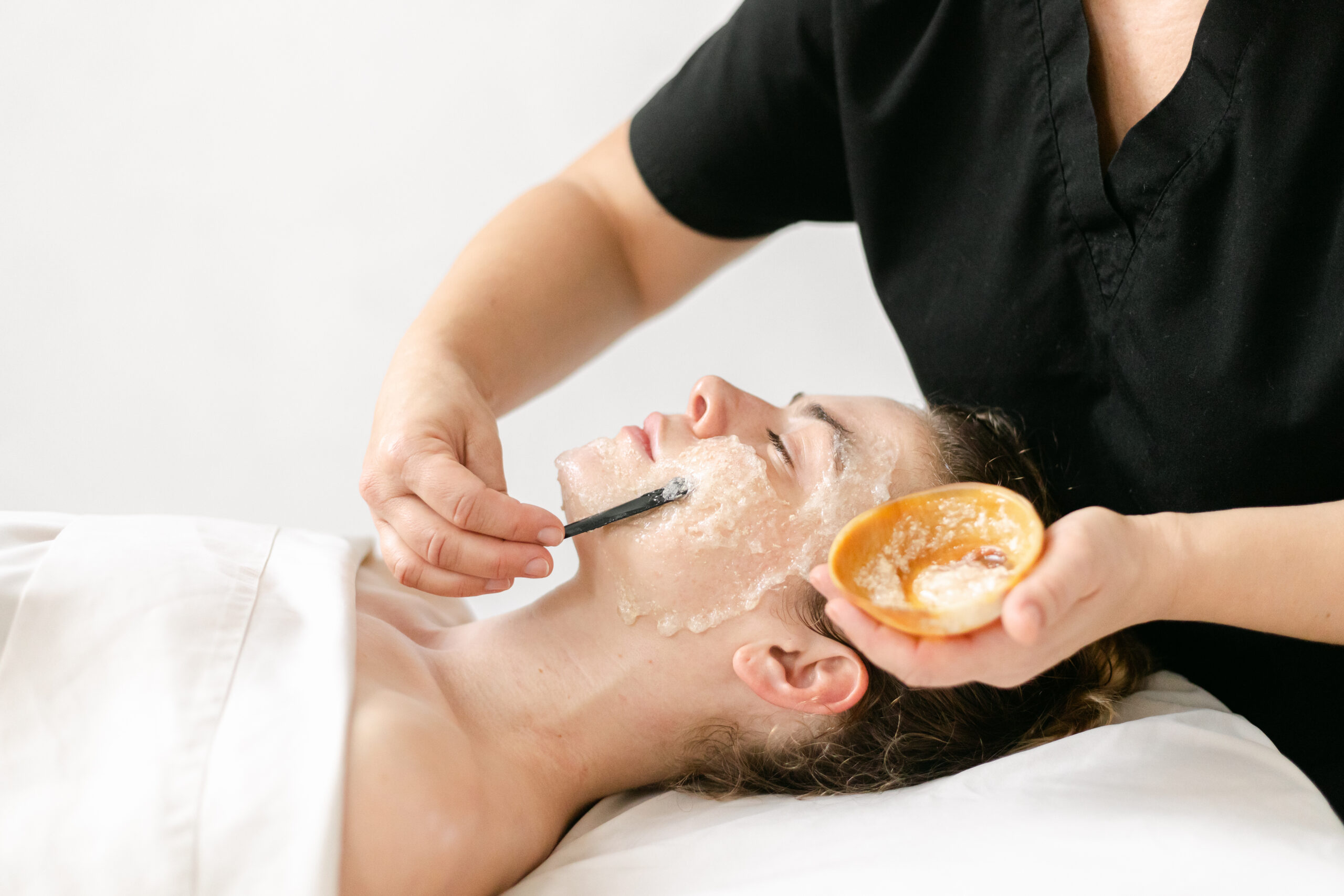
TL;DR: Menopause skincare is about protecting a weakening skin barrier and supporting collagen as oestrogen falls. Skin can lose up to 30% of its collagen in the first five years after menopause. Gentle home care helps, and in-clinic facials such as Deep Biorevitalisation target the deeper loss of firmness.
Hormonal change alters how your skin behaves, and it often starts in perimenopause, years before periods stop. Products that suited you for a long time can begin to sting, or stop making much difference at all.
That’s a sign your skin’s needs have changed. This guide explains what’s happening beneath the surface and how to adjust your care in response.
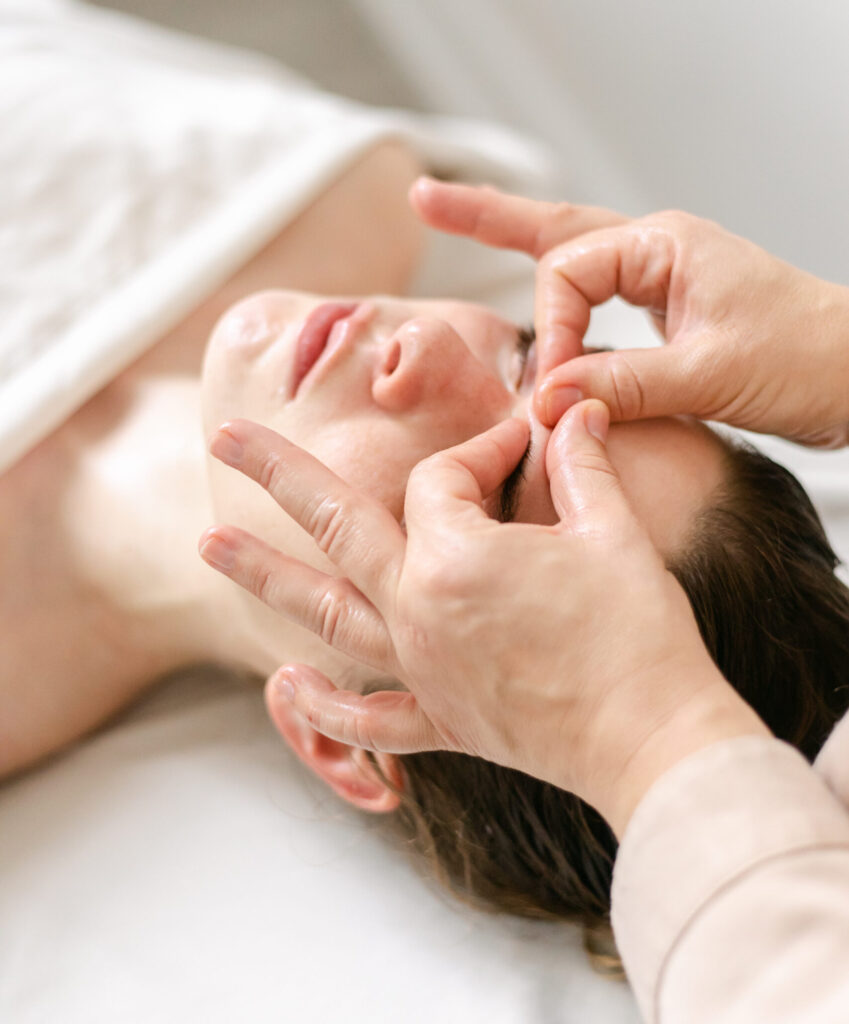
Oestrogen plays a large part in keeping skin firm and hydrated. It supports the fibroblasts that produce collagen and elastin, and it helps the skin hold on to water. As levels fall, collagen production slows and existing collagen breaks down faster.
The pace of this is significant. Research has found that skin can lose as much as 30% of its collagen in the first five years after menopause, with a slower, steady decline continuing after that. The skin also becomes thinner and takes longer to recover from irritation or minor damage.
This is why your routine needs a different focus at this stage. The aim is to protect the barrier and support the skin’s own repair processes.
Dryness is often the first sign. Skin can feel tight after cleansing and lose the soft bounce it once had. Fine lines may appear more quickly because there’s less moisture and collagen beneath the surface to support them.
Sensitivity tends to rise as the barrier weakens. Products you’ve used for years may now cause redness or stinging, and the skin can react to weather changes it once handled without trouble. Loss of firmness also becomes more visible around the jawline and cheeks.
Itching is another common complaint, and it’s one of the most searched questions around menopausal skin. Lower oestrogen reduces the skin’s natural oils and moisture, which can leave it feeling itchy. Keeping the barrier well supported often helps, though persistent or severe itching is worth raising with your GP to rule out other causes.
Start with your cleanser. A gentle, non-foaming formula avoids stripping the oils your skin is now producing less of. Follow with a moisturiser containing ceramides or other barrier lipids, which help replace what’s being lost.
Daily SPF becomes more important, since thinner skin has less protection against UV damage. If you use retinoids or acids, introduce them slowly and watch how your skin responds. Some women find they need to reduce frequency for a while before building back up. If sensitivity has become a bigger issue, our guide to a rosacea skincare routine covers the basics of calming reactive skin.
In-clinic treatment can reach the deeper layers where collagen loss is happening.
Deep Biorevitalisation was designed with peri- and menopausal skin in mind. This intensive facial begins with a deep skin peel that has no downtime, and it targets loss of firmness and elasticity.
For skin that has become reactive, Biome Restoration focuses on repairing a damaged hydro-lipid barrier and strengthening the skin’s antioxidant defences. It combines Beata’s signature facial massage with LED light, and it’s suitable for even the most hypersensitive skin.
Where collagen support is the priority, Microneedling with PDRN delivers a regenerative formulation deeper into the skin through microchannels, supporting long-lasting hydration and barrier repair. Our post on Dermapen microneedling and collagen induction explains how the process works.
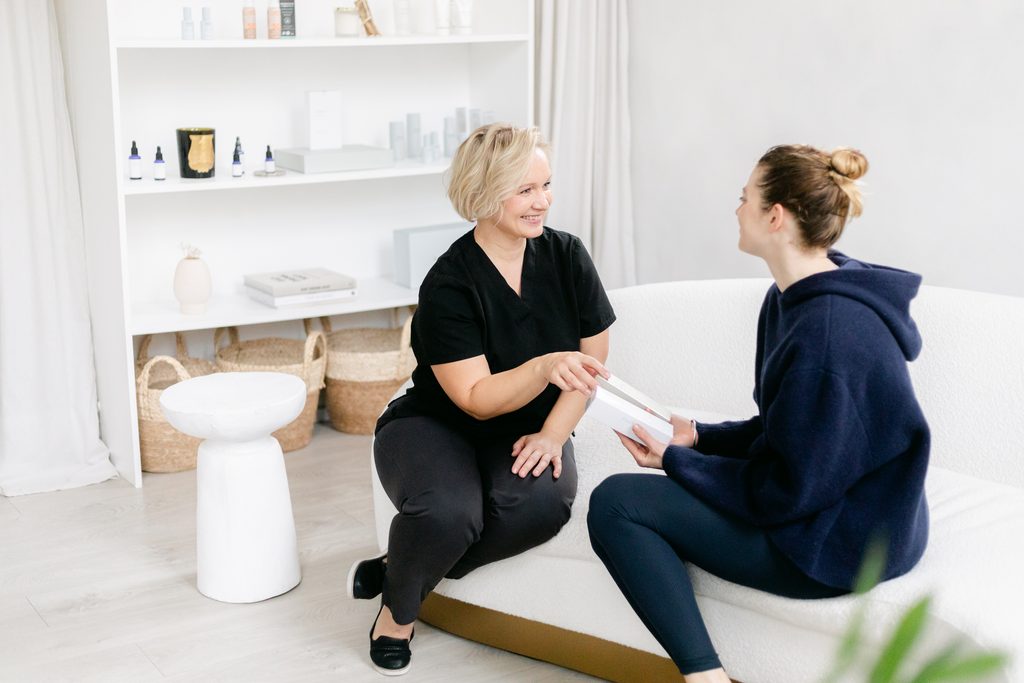
Every woman’s experience of menopause is different, and the right treatment depends on how your skin is responding right now. With more than 20 years of experience, Beata assesses your skin in person before recommending a plan built around it. Book a consultation to talk through what your skin needs.
October 21, 2026
TL;DR: A face lift massage tones the muscles beneath your skin, and clinical research shows regular sessions can...

October 6, 2026
Dermapen microneedling works with the skin’s own repair response to bring some of that production back. It’s one...

October 2, 2026
TL;DR: Men’s facial treatments with Beata lasts 60 minutes. The first part centres on enzymes and steam to...

September 28, 2026
TL;DR: Mesotherapy places tiny amounts of active ingredients into the middle layer of your skin. Beata’s version uses...
September 25, 2026
TL;DR: Facial lymphatic drainage uses light, rhythmic pressure to move trapped fluid out of puffy skin. Beata’s 80-minute...
September 18, 2026
TL;DR: Exosomes are cell-derived particles that carry signals between cells, supporting repair and collagen production. In skin treatments,...