

A London-based facialist with over two decades of experience, blending traditional manual massage with modern skin technologies.
61 Kensington Church Street,
Notting Hill, W8 4BA
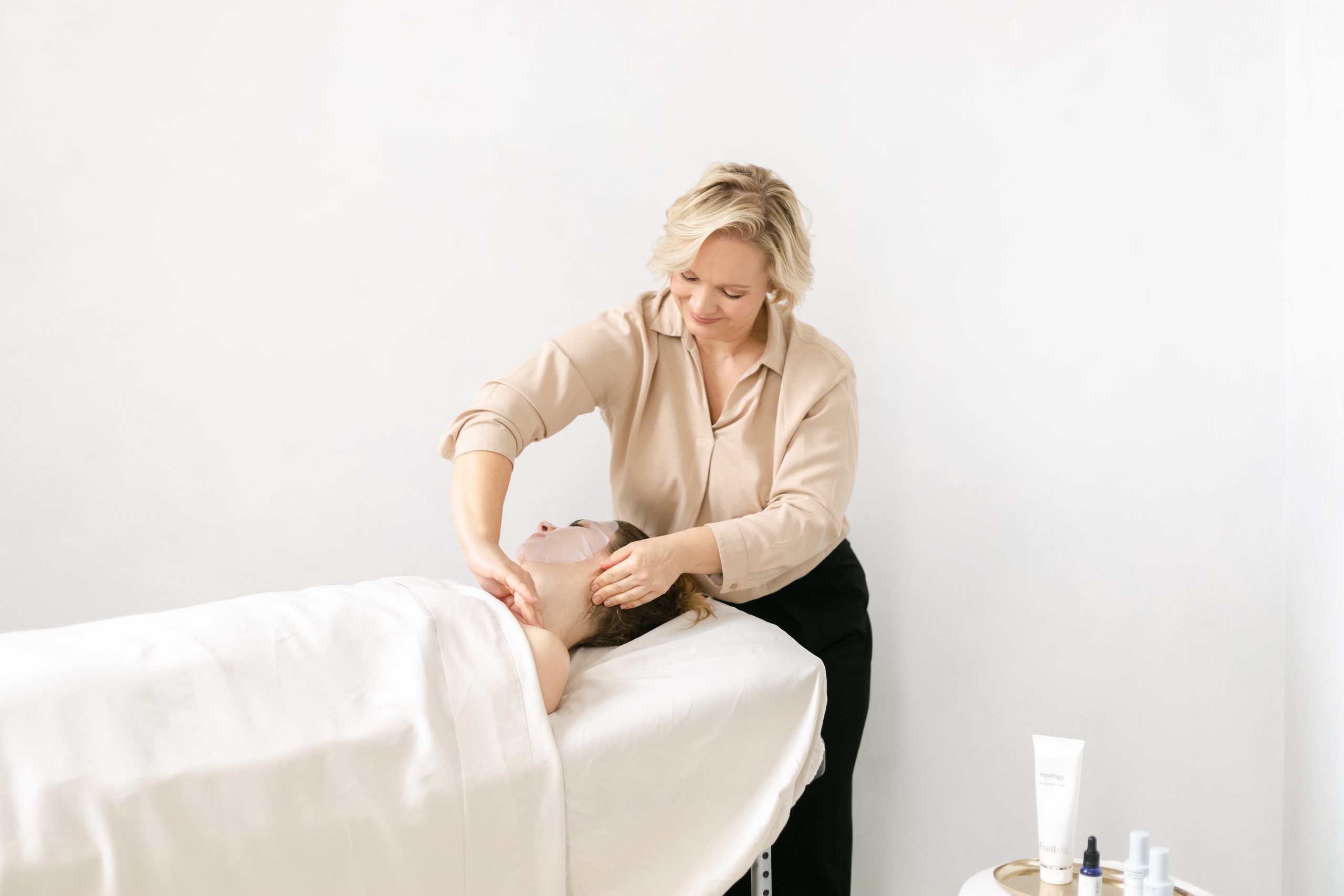
TL;DR: Exosomes are cell-derived particles that carry signals between cells, supporting repair and collagen production. In skin treatments, they’re applied after microneedling, since the micro-channels let them reach deeper layers. The evidence base draws on existing wound-healing research. Visible change tends to build over several weeks, not appear instantly.
Exosomes are tiny particles released by cells throughout the body. They carry proteins and growth factors from one cell to another. Some also carry small fragments of genetic material.
Their job is communication. One cell sends a signal, and another cell picks it up, adjusting its behaviour in response.
This system drives healing and normal cell turnover. Skin cells rely on it as much as any other tissue in the body.
Exosome research began in wound care and regenerative medicine, long before skin clinics adopted it.
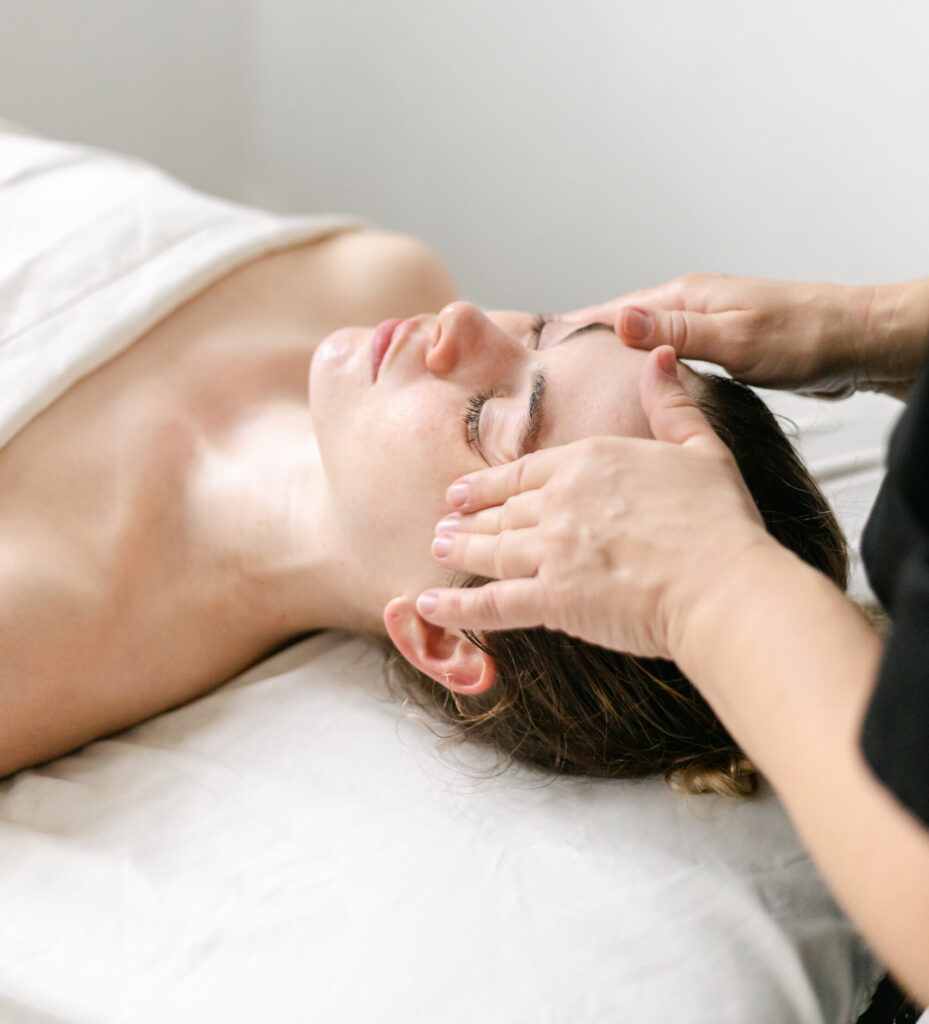
When exosomes reach the skin, they trigger the same signalling that younger, healthier skin produces naturally. Fibroblasts pick up on this and increase collagen output. The result is faster repair and reduced redness after treatment.
Collagen production naturally slows with age. Exosomes carry growth factors that encourage fibroblasts to keep producing it. This is why exosome treatments come up so often in conversations about ageing and skin texture. They are not designed to work as a single quick fix.
That extra collagen also improves how well skin holds moisture. A plumper look often accompanies the firmer texture as a result.
People typically look into exosome treatments for early signs of ageing and skin that looks dull or uneven. It’s also a popular choice for skin that’s recovering slowly after other treatments or sun exposure.
On their own, topical exosomes struggle to penetrate the skin barrier. The outer layer of skin is designed to keep things out. That’s useful for protection, but unhelpful when you want active ingredients to reach deeper layers.
Microneedling solves that problem. Fine needles create controlled micro-channels in the skin. Those channels give exosomes a direct route to where they are most useful.
During a microneedling with exosomes treatment, the needling stage comes first, creating access points across the treatment area. Exosomes are then applied while the skin is still receptive.
The two steps work together. Microneedling triggers your skin’s own repair signals, and the applied exosomes reinforce that same repair pathway from the outside in.
Most appointments take around an hour, combining microneedling with the exosome application afterwards. Downtime is minimal, though your skin may look pink for a day or so. You can generally return to normal activities that same day.
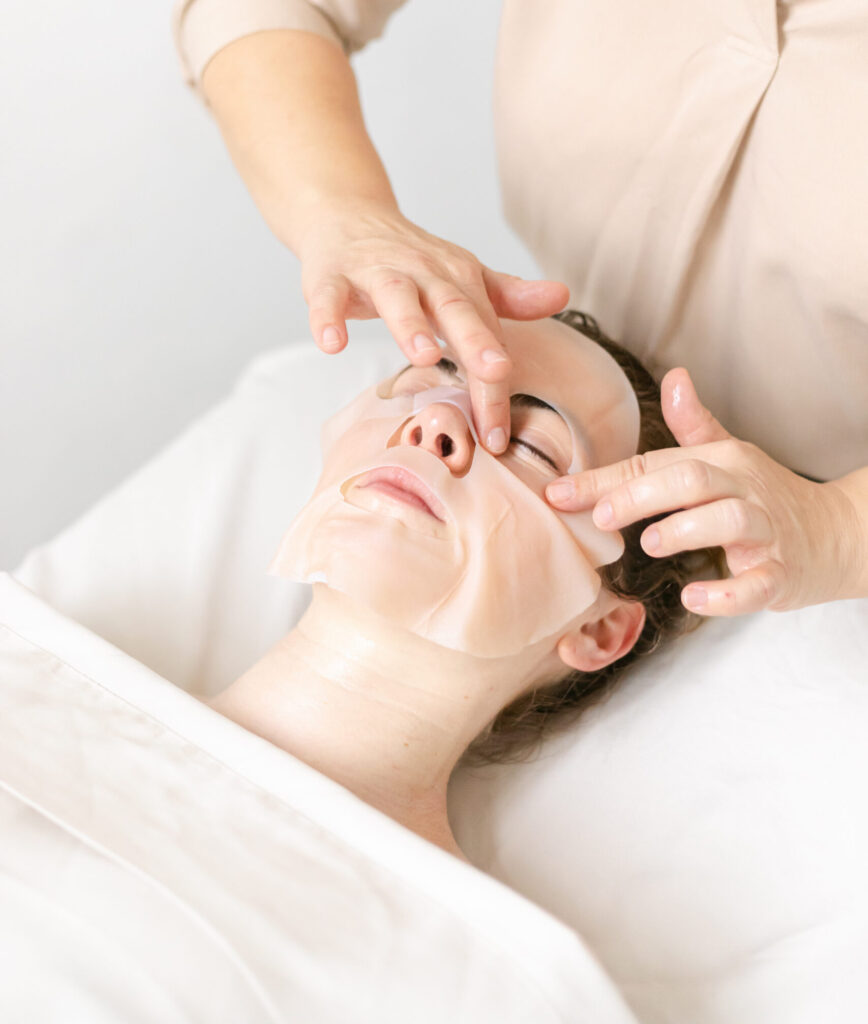
Exosome use in skincare draws directly on research into cell communication and wound repair. That existing evidence base gives clinics confidence in the treatment. It isn’t dismissed as an unproven trend.
In the UK, topical exosome products made from plant sources are permitted as cosmetic ingredients. Human-derived exosomes are a different matter, and they’re banned from UK cosmetic products. Injecting any exosome product is also treated as a medicinal procedure outside current licensing. This is why microneedling with exosomes relies on topical, plant-derived products, not injections. It’s worth asking your clinic which type of product they use.
Side effects are generally mild and short-lived, mostly redness and pinpoint bleeding caused by the microneedling itself, not the exosomes. A short patch test beforehand can help rule out sensitivity. If you’re pregnant or breastfeeding, mention this at your consultation. The same applies if you’re prone to keloid scarring.
Most people notice smoother texture and a more even tone in the weeks following treatment. Redness from the microneedling stage settles within a few days for most skin types. Following the aftercare routine your clinician recommends helps lock in the improvement.
Results build over several weeks, since collagen remodelling is a gradual process. They do not appear overnight. A course of treatments, spaced a few weeks apart, tends to produce more visible change than one session alone.
Many people book a top-up every few months to sustain the improvement, particularly once collagen production starts to slow again.
Exosomes work best alongside a solid skincare routine, tailored to your skin’s specific needs. If you are curious whether microneedling with exosomes fits your goals, book a consultation with Beata. She can talk you through what your skin needs.
October 21, 2026
TL;DR: A face lift massage tones the muscles beneath your skin, and clinical research shows regular sessions can...
October 13, 2026
TL;DR: Menopause skincare is about protecting a weakening skin barrier and supporting collagen as oestrogen falls. Skin can...

October 6, 2026
Dermapen microneedling works with the skin’s own repair response to bring some of that production back. It’s one...

October 2, 2026
TL;DR: Men’s facial treatments with Beata lasts 60 minutes. The first part centres on enzymes and steam to...

September 28, 2026
TL;DR: Mesotherapy places tiny amounts of active ingredients into the middle layer of your skin. Beata’s version uses...

September 25, 2026
TL;DR: Facial lymphatic drainage uses light, rhythmic pressure to move trapped fluid out of puffy skin. Beata’s 80-minute...