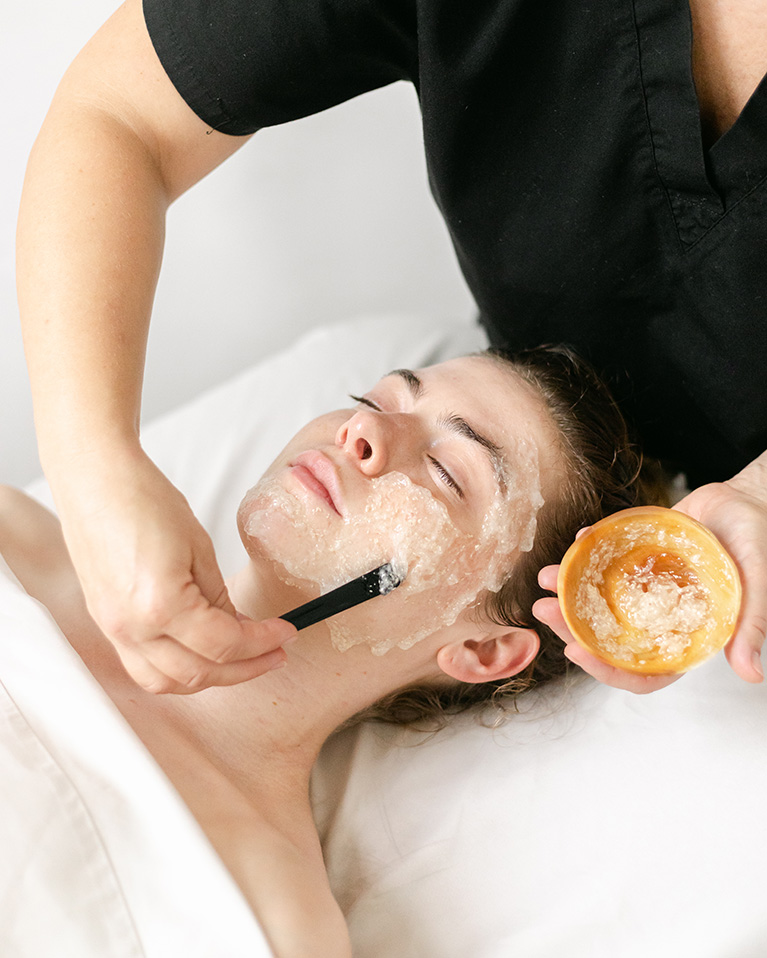

A London-based facialist with over two decades of experience, blending traditional manual massage with modern skin technologies.
61 Kensington Church Street,
Notting Hill, W8 4BA
TL;DR: A rosacea skincare routine works when it repairs the skin barrier before it treats the redness. Skip the strong actives until that barrier is stable, and the redness has a much better chance of settling by itself.
If your skin flushes easily or stays red without an obvious reason, it’s tempting to treat the redness directly. A calming cream feels like the right fix in the moment.
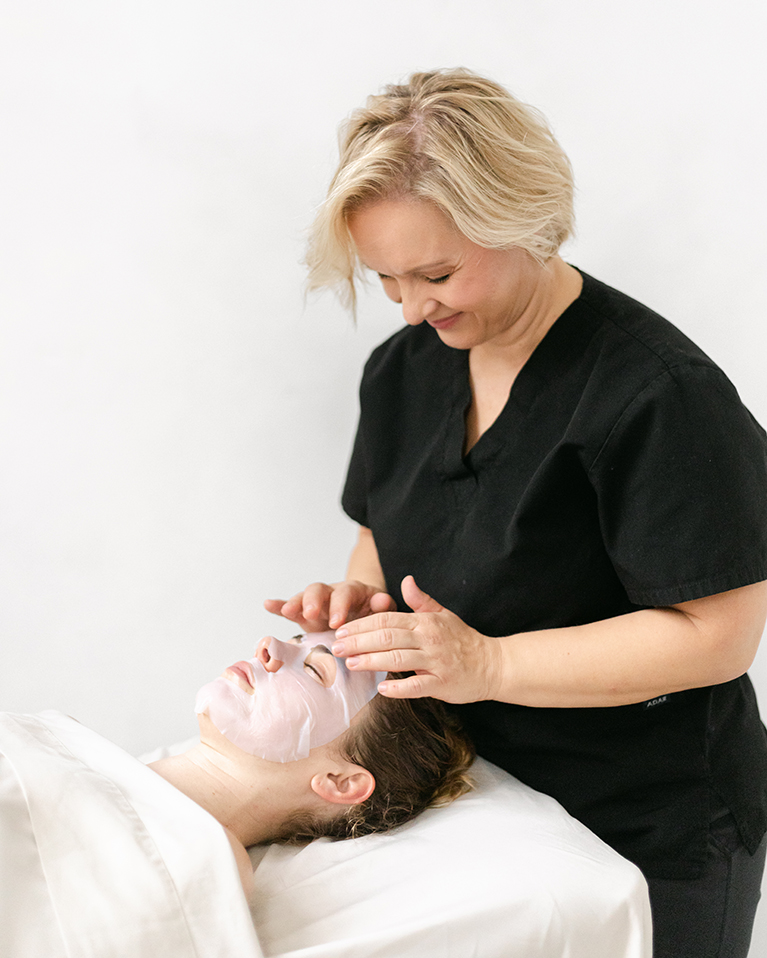
The redness usually sits on top of a weakened skin barrier. Treating it without repairing what’s underneath tends to keep the cycle going. Repair the barrier first and the redness has a genuine reason to calm down. Beata Durtan’s Biome Restoration facial follows this same order, treating rosacea prone skin by repairing the barrier first.
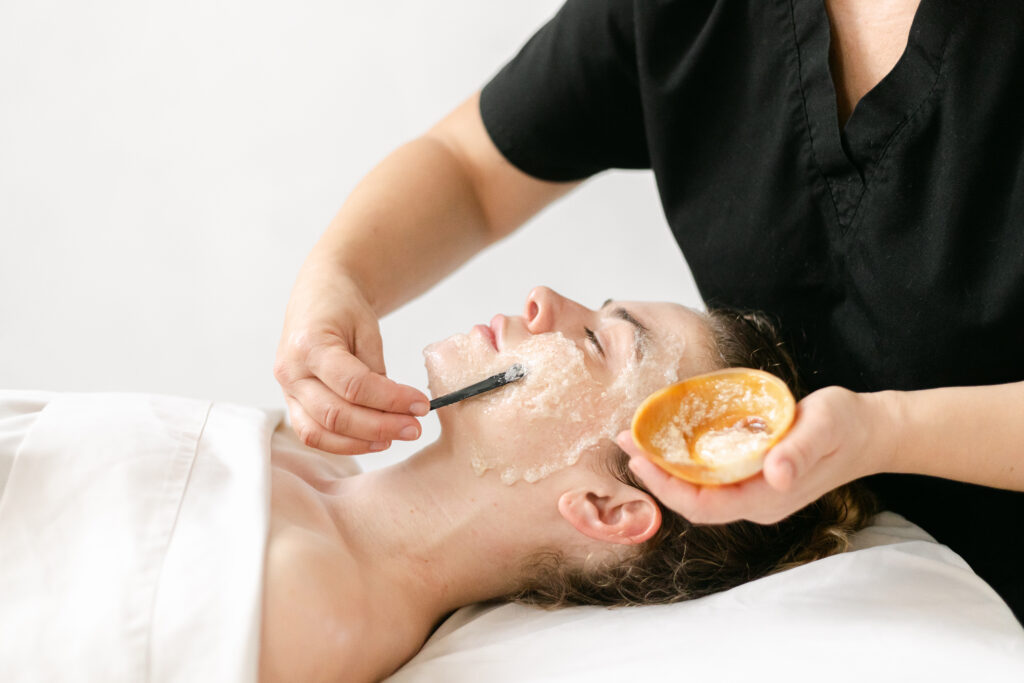
A foaming cleanser or hot water leaves your skin feeling tight and squeaky clean. That tightness means your natural oils have gone, and the barrier is thinner for it.
Choose a cream or gel cleanser without sulphates or added fragrance. Keep the water lukewarm. Pat your skin dry with a soft towel rather than rubbing it.
This ingredient strengthens the skin barrier and reduces visible redness over time. It’s well tolerated by most sensitive skin types and works alongside almost everything else in your routine.
Azelaic acid calms inflammation and helps even out skin tone. Start with a lower strength and use it every other day at first, since it can feel like a mild tingle when your barrier is already compromised.
Ceramides are the fats that hold your skin barrier together. Rosacea prone skin usually runs low on them, so a moisturiser with ceramides helps rebuild what’s missing underneath the surface.
Also called cica, this ingredient is widely used in calming formulas because it soothes irritation without adding heaviness to the skin.
Denatured alcohol dries out the skin and disrupts the barrier further. If a toner feels cooling and then tight a few minutes later, that’s the alcohol at work.
Scrubs and brushes both cause tiny tears in skin that’s already fragile. Rosacea prone skin struggles with friction, however gentle the product claims to be.
Fragrance is one of the most common triggers for flare ups, even in products marketed as gentle. Check the ingredients list itself, since gentle on the label doesn’t always mean gentle on your skin.
Glycolic and salicylic acid at high concentrations can push reactive skin into a flare. If you want exfoliation, azelaic acid is a gentler route.

Barrier repair happens gradually, and it responds to consistency more than to new products. Reduce your routine to a gentle cleanser and a barrier repairing moisturiser, then add a mineral SPF on top. Skip active ingredients for two to three weeks and let the skin settle before reintroducing anything new.
Skin cell turnover takes around four weeks, so give any change that long before deciding it isn’t working.
Triggers vary from person to person, but the common ones are heat, alcohol, spicy food, sun exposure and stress. Keeping a simple diary for a few weeks often reveals a pattern you hadn’t noticed.
Cold wind and sudden indoor heat both provoke flushing, so it’s worth layering your skincare with that in mind.
In the morning, cleanse with a cream cleanser, apply a niacinamide serum, follow with a ceramide moisturiser, and finish with a mineral SPF of at least factor 30. In the evening, cleanse again, apply azelaic acid if your skin tolerates it, then seal everything in with the same moisturiser. That covers the whole routine, and most days you won’t need anything more than this.
If redness persists despite a barrier focused routine, or you’re unsure which ingredients are safe for your skin, a professional assessment saves months of trial and error. Beata Durtan’s Biome Restoration facial is built for sensitive, reactive skin, including rosacea, with a focus on repairing the barrier and rebuilding the skin’s antioxidant defences. You can book an appointment directly with Beata to have your skin properly assessed.
Give your barrier about a month of consistent care before judging whether it’s working. Most flare ups calm down well before then, but the barrier itself needs the full stretch to rebuild.
September 14, 2026
TL;DR: A non surgical facelift tones facial muscles and refreshes your skin without cutting or injecting anything. Most...

September 11, 2026
TL;DR: Polynucleotide treatment uses purified DNA fragments, most often sourced from salmon, injected into the skin to wake...
September 3, 2026
TL;DR: Mesotherapy for face treatments delivers a nourishing infusion into the skin through nano-injections. At The Skin Studio,...
September 1, 2026
TL;DR: What is lymphatic drainage? It’s a manual facial massage that moves trapped fluid out of your skin...