

A London-based facialist with over two decades of experience, blending traditional manual massage with modern skin technologies.
61 Kensington Church Street,
Notting Hill, W8 4BA
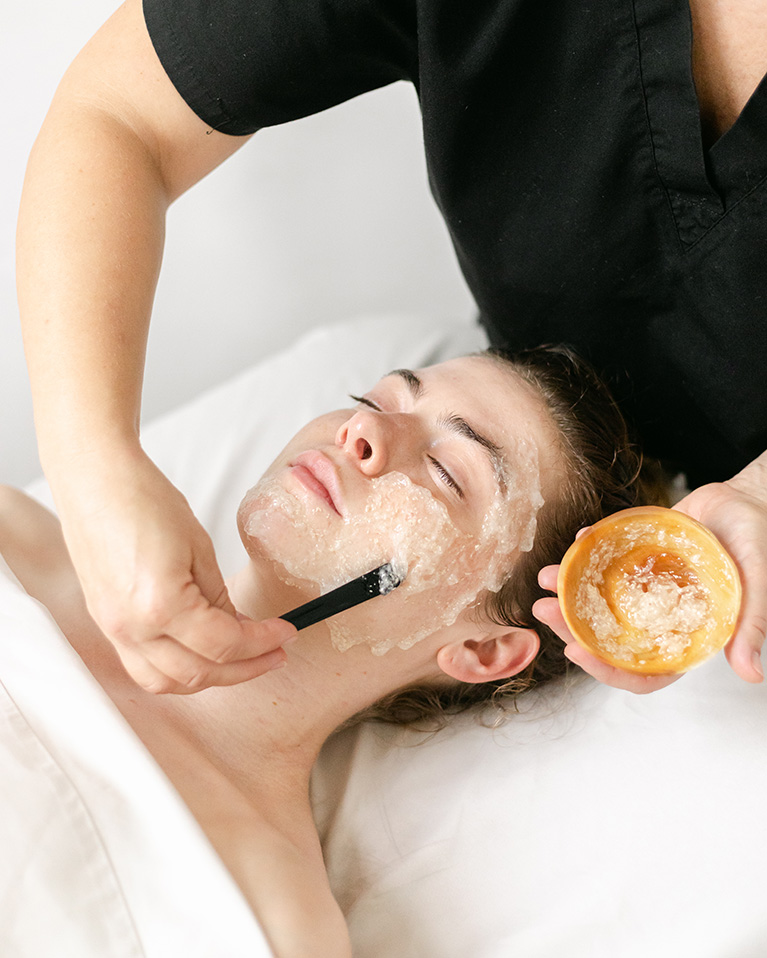
TL;DR: Damaged skin barrier signs often start small, like a familiar serum stinging or your face feeling tight after washing. Cutting your routine back gives the barrier space to recover, and Beata’s Biome Restoration facial can help reactive skin settle.
Your skin barrier is the top layer of your skin. It keeps water in and irritants out.
When it weakens, the first changes are small. A product feels slightly warm going on, or your face feels dry by lunchtime. It’s easy to blame the weather and carry on.
Redness and flaking can follow if nothing changes. Spotting the earlier signs gives you time to adjust your routine first. If your skin has already become reactive, Beata’s Biome Restoration facial is built for that.
Start with the products you already trust. If a serum you’ve used for months suddenly tingles or burns, take note. A weakened barrier lets ingredients reach the more sensitive layers underneath, so something gentle can start to feel harsh.
Next, pay attention to how your face feels after washing. That squeaky, tight finish can mean your cleanser has stripped the oils your barrier needs. If your skin feels uncomfortable until moisturiser goes on, try a milder cleanser for a fortnight and see what changes.
Shine can be misleading too. Skin can look shiny and still feel dry and tight underneath. Reaching for a stronger cleanser at that point strips it further, so switch to a gentler one instead.
Your makeup is another clue. If foundation catches on dry patches around your nose or cheeks, there may be texture you can’t easily see in the mirror.
So what does a damaged skin barrier look like early on? In many cases, the skin feels reactive before it looks red. That’s why these damaged skin barrier symptoms get brushed off.
Over-exfoliated skin is a common cause. Exfoliating acids and scrubs remove the outer layer faster than it can rebuild. Layering several actives in one routine adds to the problem.
Foaming cleansers can play a part. So can starting a retinoid, since it can leave skin dry and easily irritated while it adjusts. Central heating and cold wind add more strain through winter.
If you use more than one exfoliating product, look at those first.
Recovery can take several weeks, depending on how weak the barrier has become. The most helpful thing you can do is simplify.
Switch to a mild, non-foaming cleanser and a moisturiser with ceramides. Pause exfoliating acids and scrubs until your skin feels comfortable again. Keep wearing SPF every day while your barrier repairs.
Try not to add anything new while your skin settles. Changing several products at once makes it hard to tell what’s helping. If redness is your main concern, our rosacea skincare routine guide goes into gentle steps in more detail.

If your skin stays reactive after a few weeks of a simpler routine, it may need more support. Beata’s Biome Restoration facial is designed for reactive or compromised skin.
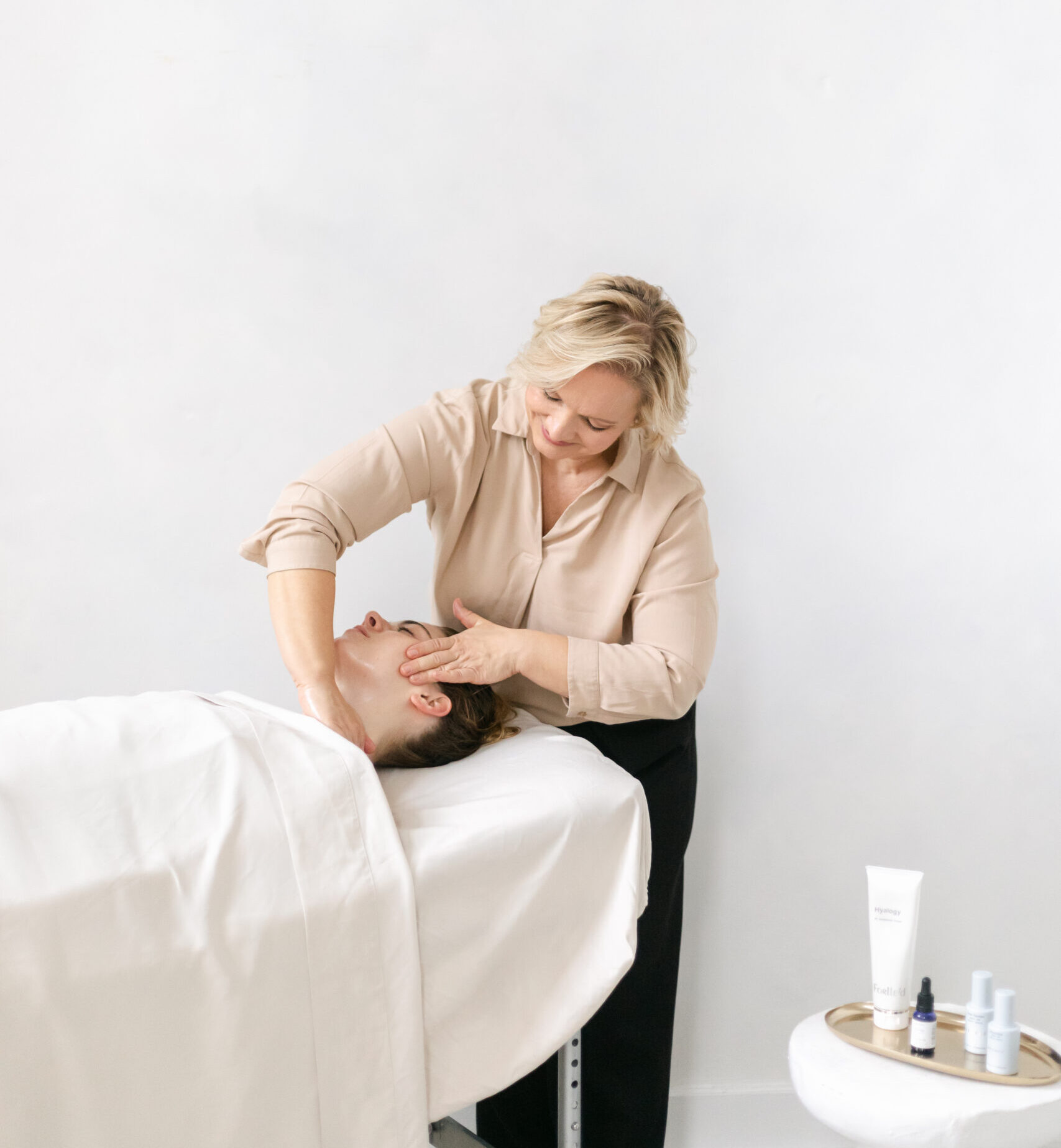
Beata starts with her signature facial massage, using slow movements that relax the face without overheating the skin. A bio-revitalising antioxidant therapy follows, with actives that help rebalance the bacteria on the skin’s surface. LED light finishes the session to help calm redness.
The treatment is gentle enough for hypersensitive skin. It also suits anyone whose skin is struggling with a new retinoid. Beata will assess your skin first and adapt the treatment to how it’s behaving on the day.
If several of these signs sound familiar, a consultation with Beata can help you work out what your skin needs.
Before your appointment, strip your routine back and note which products still sting a week later. Add any retinoid or prescribed product you use, since Beata can adapt the treatment around it. That list is the most useful thing you can bring with you.
November 23, 2026
TL;DR: Hyaluronic acid holds water in the skin and keeps it plump, and it suits almost every skin...

November 20, 2026
TL;DR: A home dermaroller uses short needles that stay in the skin’s outer layer. It helps skincare absorb,...
November 17, 2026
TL;DR: PDRN is purified salmon DNA that helps calm inflammation and supports the skin’s own repair. Its molecules...
November 13, 2026
TL;DR: Blue light targets the bacteria behind breakouts. Red and near-infrared reach deeper to support collagen and calm...
November 9, 2026
TL;DR: Leave make-up off for the first 48 hours. Give saunas and hard workouts a miss for a...
October 30, 2026
TL;DR: Manual lymphatic drainage has some evidence to back it up but mostly used within a medical setting...