

A London-based facialist with over two decades of experience, blending traditional manual massage with modern skin technologies.
61 Kensington Church Street,
Notting Hill, W8 4BA
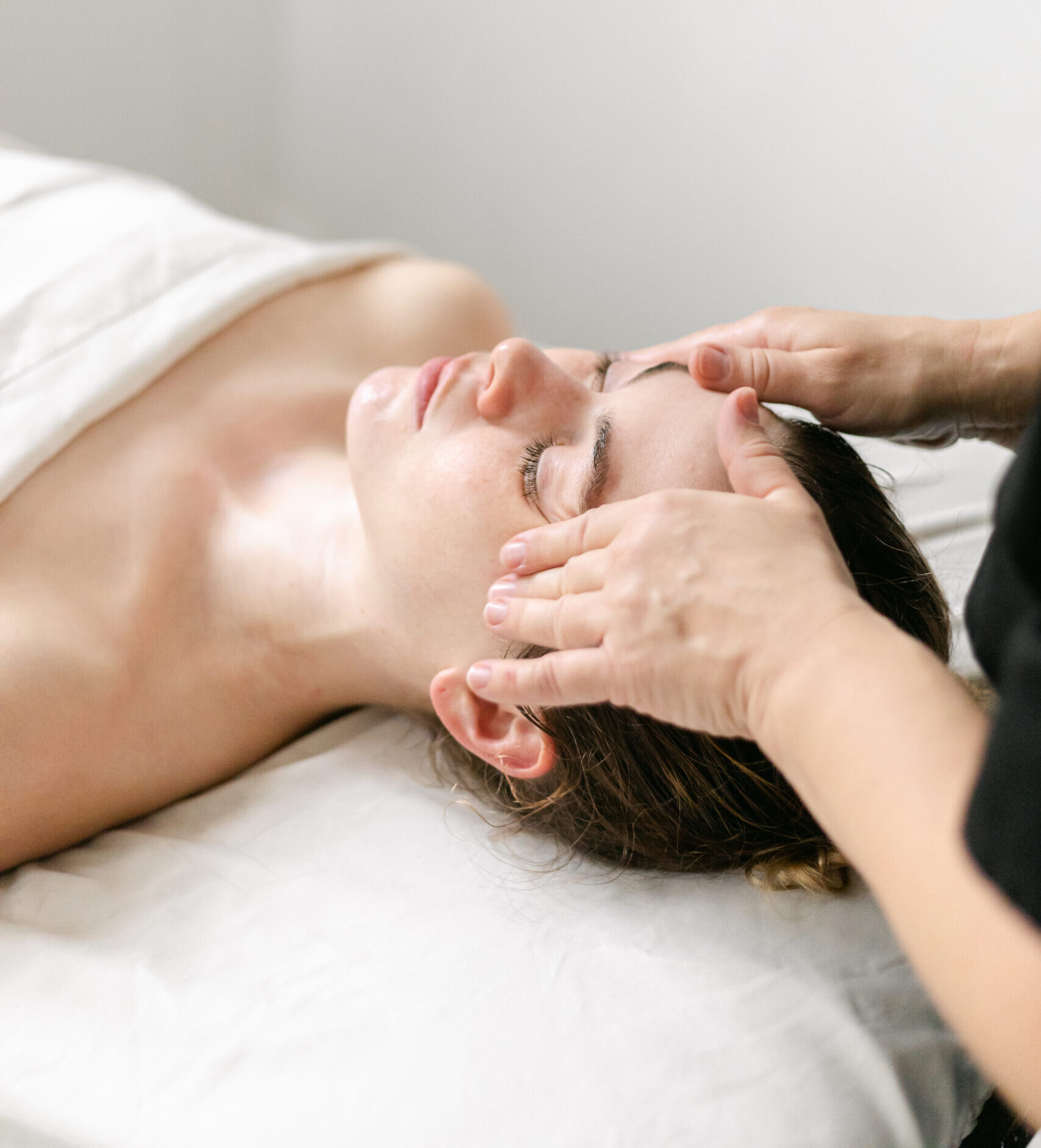
TL;DR: Polynucleotides under eyes can soften crepey skin and fine lines over a course of treatment. The skin there is thin and bruises easily, so it needs smaller amounts of product placed at a shallow depth.
The skin under your eyes is often the first place to show a late night or a stressful month. It’s also where a heavy-handed treatment shows most, with swelling or bruising that takes days to settle.
Polynucleotides have become a popular choice for tired under-eyes. How well they work here depends on a technique built around skin this thin, which is the approach Beata takes with her Meso-Eye treatment.
Polynucleotides are purified DNA fragments, most often taken from salmon. Once placed in the skin, they form a light gel that draws in water and supports the skin’s own repair processes.
PDRN belongs to the same family. It’s made of shorter fragments, while polynucleotides are longer chains with a stronger hydrating effect.
Under the eyes, the aim is better skin quality. A polynucleotide under eye treatment won’t change the shape of the area or add volume.
For skin that looks crepey or dehydrated, they can make a visible difference over a course. Fine lines may soften and the area can look more rested.
How much changes depends on why your under-eyes look tired in the first place. That’s why a consultation comes first.
The skin under your eyes is among the thinnest on your body. It has fewer oil glands than the rest of your face, so it loses moisture quickly and shows tiredness first.
Thin skin under the eyes also lets more of what sits beneath show through. Small blood vessels can give the area a shadowed look, and constant blinking slowly creases the surface.
A gentle technique uses small amounts of product and a delivery technology suited to this delicate area. The formula only needs to reach the upper layers of the skin, and treatment stays a safe distance from the eye. Spacing sessions across a course gives the skin time to respond.
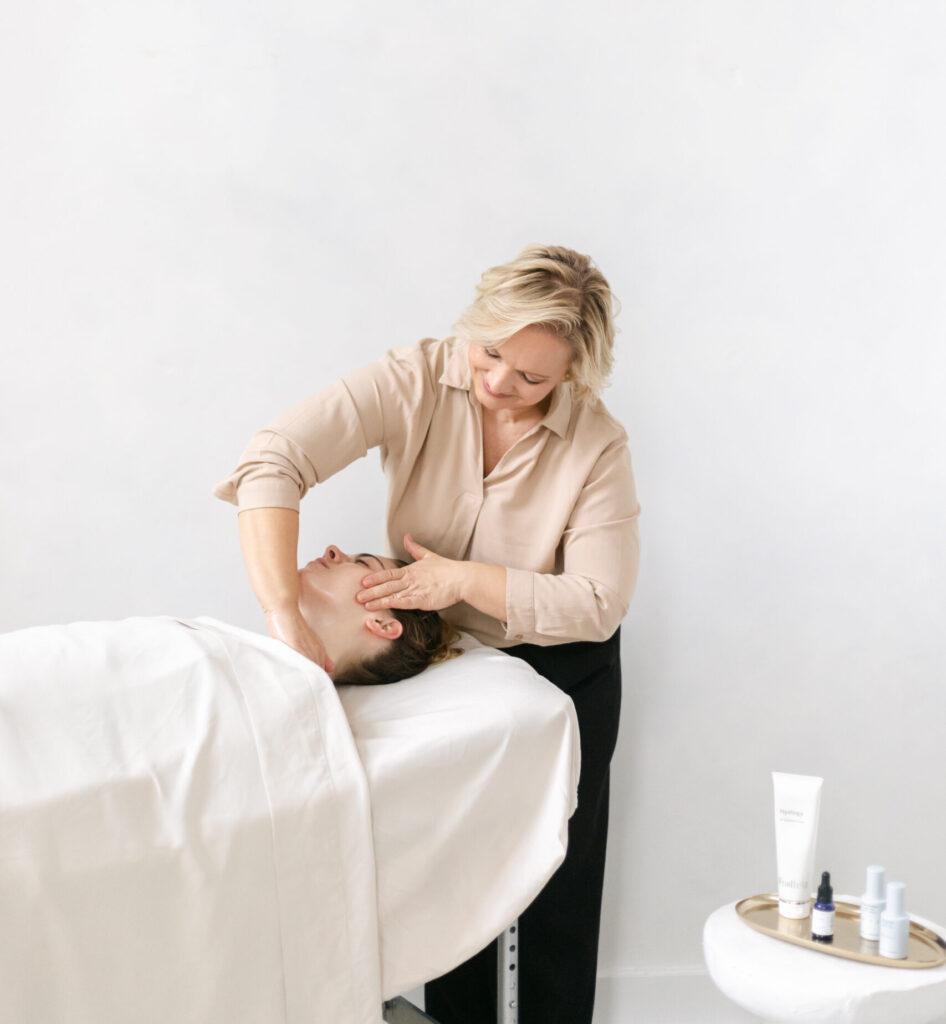
Meso-Eye is Beata’s under eye mesotherapy treatment, designed for the delicate skin below the eyes. The appointment takes around 15 minutes.
The area is cleansed and assessed first. A numbing cream can be applied if you’d prefer, so you stay comfortable. Beata then works along the under-eye area with very fine needles, placing a hydrating formula into the upper layers of the skin.
Mention any sensitivities or recent treatments around your eyes before treatment begins. If you’re pregnant or breastfeeding, or have a bleeding disorder, this treatment isn’t suitable for you.
Some redness can appear straight after treatment and normally settles within a few hours. Because the skin here is so thin, it can take a little longer to calm down than the rest of the face.
Mild swelling is one of the most common worries with polynucleotides under eye treatments. A cold compress helps it settle.
For the rest of the day, keep make-up off the area and avoid rubbing your eyes. It also helps to skip saunas and hard exercise for 24 hours.
Some clients notice softer, better hydrated skin within a week or so of their first session. Changes build gradually, since each session adds to the last.
Beata recommends a course of four sessions, spaced two to three weeks apart. Once the course is complete, a maintenance session every three to four months helps keep the skin in good condition.
Polynucleotides are often compared with tear trough filler, but the two do different jobs. Filler restores volume in the hollow beneath the eye, while Meso-Eye focuses on hydration and skin quality.
Hollows caused by lost volume are structural, and so are bags caused by fat pads. You’ll get an honest answer at consultation if your concern sits outside what Meso-Eye can change.

Beata has over 20 years of experience as a facialist, and every treatment she offers is planned around your skin. Meso-Eye is available at her Kensington and Westbourne Grove studios in London, and at Atelier Clinic in Egham.
If your under-eyes look tired however much you sleep, book a consultation and Beata will check whether Meso-Eye suits your skin.
November 23, 2026
TL;DR: Hyaluronic acid holds water in the skin and keeps it plump, and it suits almost every skin...
November 20, 2026
TL;DR: A home dermaroller uses short needles that stay in the skin’s outer layer. It helps skincare absorb,...
November 17, 2026
TL;DR: PDRN is purified salmon DNA that helps calm inflammation and supports the skin’s own repair. Its molecules...
November 13, 2026
TL;DR: Blue light targets the bacteria behind breakouts. Red and near-infrared reach deeper to support collagen and calm...
November 9, 2026
TL;DR: Leave make-up off for the first 48 hours. Give saunas and hard workouts a miss for a...
November 2, 2026
TL;DR: Damaged skin barrier signs often start small, like a familiar serum stinging or your face feeling tight...